All issues / Obligation and authority / Issue 65 of 65
When is a prophet speaking as a prophet?
Members are told to follow the living prophet, yet when past teachings are abandoned they are described as opinion. Leaders have never given a clear way to tell revelation from opinion in advance.
The claim as critics state it3 cited points
The record in order
- 1831A revelation (D&C 68) says that what leaders speak when moved upon by the Holy Ghost shall be scripture.
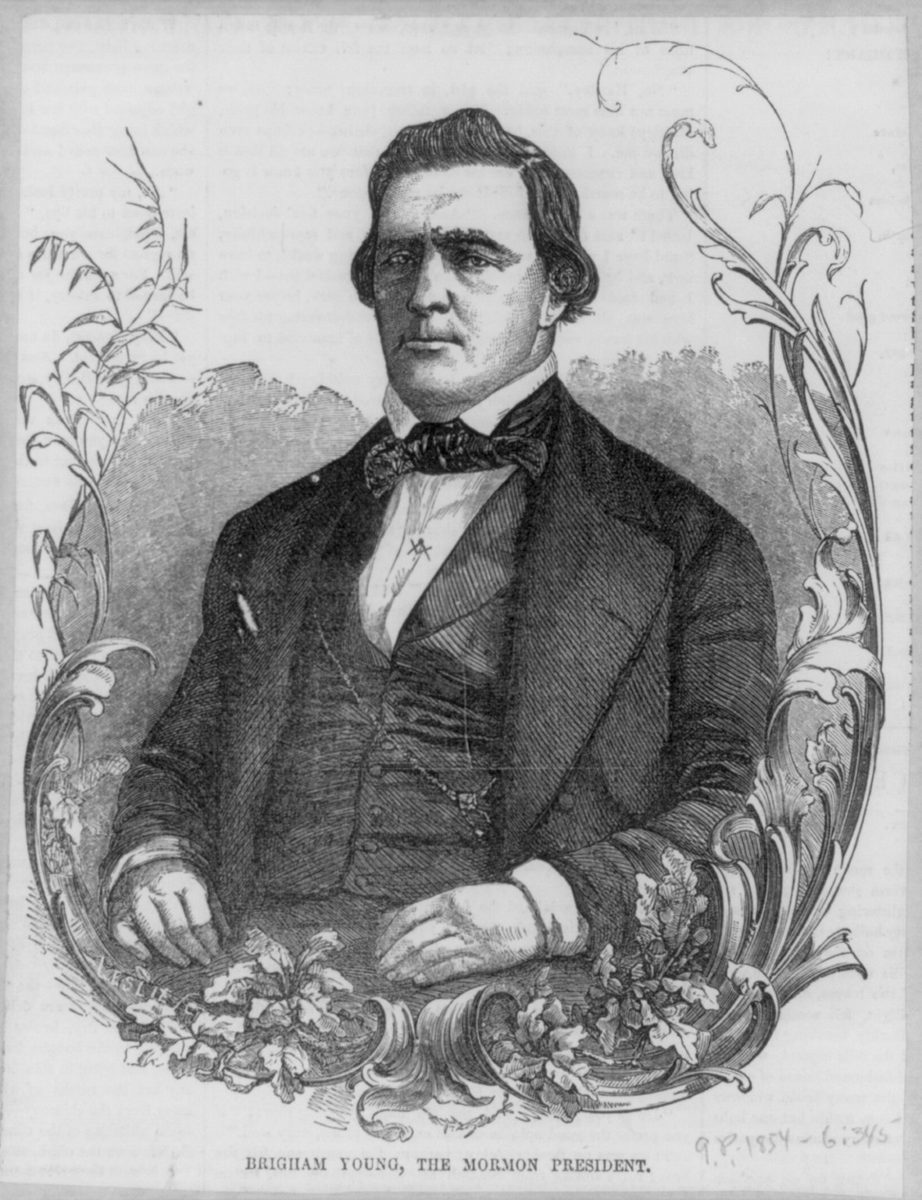
- 1870Brigham Young says he has never preached a sermon that the people may not call scripture.Journal of Discourses 13:95
- 1890Wilford Woodruff says the Lord will never permit the president to lead the Church astray.
- 1945A ward teaching message says "when our leaders speak, the thinking has been done".
- Jul 1954J. Reuben Clark speaks at BYU on when leaders' words are entitled to be called scripture.
- Feb 1980Ezra Taft Benson gives "Fourteen Fundamentals in Following the Prophet".
- May 2007The Church's newsroom statement "Approaching Mormon Doctrine" says single statements are often personal opinion.
- Apr 2012D. Todd Christofferson's "The Doctrine of Christ" says doctrine comes through the councils together.
- Oct 2013Dieter F. Uchtdorf says leaders have made mistakes.
- Apr 2019The 2015 policy, described as revelation, is reversed.
What every camp accepts
- The Church's 2007 statement says a single statement by a single leader is often personal opinion.
- Brigham Young said his sermons, once approved, were as good as scripture.
The full story
Latter-day Saints sustain the president of the Church as prophet, seer and revelator and are taught to follow him. Brigham Young said in 1870 that he had never preached a sermon that the people might not call scripture. Wilford Woodruff promised that the Lord would never let the president lead the Church astray. Ezra Taft Benson's "Fourteen Fundamentals" (1980) taught that the living prophet's word outweighs the standard works and that he will never lead the Church astray.
Yet many teachings once given by prophets are now set aside. Leaders have offered several tests. In 1954 J. Reuben Clark said that only the Holy Ghost can tell members when leaders speak "as moved upon by the Holy Ghost". A 2007 Church statement said that a single statement by a single leader on a single occasion often represents a personal, though well-considered, opinion, not binding doctrine. In 2012 D. Todd Christofferson said that doctrine is taught by the presiding councils together, not by one leader in a single statement.
Defenders say these guidelines show a mature understanding of revelation as continuing and of prophets as fallible men. Critics answer that the guidelines are applied only after a teaching has been abandoned. Adam-God, the priesthood ban and the 2015 policy were taught by presidents or by the councils together, so the tests do not tell members in advance which present teachings will later be called opinion.
Church and defenders
Church Newsroom, FAIR
Doctrine is taught consistently. Doctrine is what is taught by the presiding councils together and found in scripture.D. Todd Christofferson, "The Doctrine of Christ", April 2012
Critics
MormonThink
Opinion after the fact. Teachings are called opinion only once they are dropped, never while they are taught.MormonThink, "Prophets after Joseph Smith"
Historians
Patrick Mason
A church that learns. Prophetic fallibility is part of a theology of continuing revelation.Patrick Mason, Planted (2015)
In their own words
Primary sources, quoted as written. Spelling and punctuation are the originals'.
I have never yet preached a sermon and sent it out to the children of men, that they may not call Scripture.
Where it turns
How can a member know, at the time, which teachings are doctrine?
Check your reading: What did the Church's 2007 statement say about a single leader's statement?
That it often represents a personal, though well-considered, opinion.
Read and listen
The Church
- Church Newsroom, "Approaching Mormon Doctrine", 4 May 2007
- D. Todd Christofferson, "The Doctrine of Christ", general conference, April 2012
- J. Reuben Clark Jr., "When Are the Writings or Sermons of Church Leaders Entitled to the Claim of Scripture?", 7 July 1954
Defenders
- FAIR, "Prophets/Prophetic fallibility"
- Robert L. Millet, "What Is Our Doctrine?", Religious Educator 4:3 (2003)
Critics
- MormonThink, "Prophets after Joseph Smith"
Historians
- Patrick Mason, Planted (Deseret Book, 2015) Buy
Everything on one page: the library. As an Amazon Associate, the Open Stories Foundation earns from qualifying purchases made through "Buy" links.